Three Indispensable Practice Resources

Over the years, I’ve explored countless practice resources—but these three consistently rise to the top. If you’re looking to deepen your progress on the classical guitar, these are well worth your time.

Molly Gebrian

The catchy title of Molly Gebrian’s book, Learn Faster, Perform Better, lays out science-backed methods of practicing that will help you become better at your instrument. Gebrian holds degrees in neuroscience and music, is a phenomenal violist, and is a faculty member at one of my alma maters, the New England Conservatory. Her book goes through the concepts of spaced practice, mental practice, attentional focus, variable practice, structured practice planning, and other topics that, if you have not learned in music school, you’ll be grateful to learn here.

Her YouTube channel is an invaluable resource. The videos are short, insightful, and actionable—perfect for classical guitar students looking to level up their technique and musical memory. You’ll find clear explanations, real-world examples, and bite-sized challenges that make her ideas easy to apply right away.

Tonebase

Tonebase has been publishing a wide variety of videos that I’ve found helpful. The videos by Eliot Fisk, Nigel North, and Paul O’Dette discussing various Bach suites are excellent. The videos where Marco Tamayo explains his approach to technique or where Rene Izquierdo goes through repertoire are so insightful that you’ll gain great nuggets of information to inspire you. However, what I found most useful this year were the videos Lukasz Kuropacsewski did on practicing. These are absolute gold because he not only answered many questions I’ve asked myself over the years, but the enthusiasm with which he delivers the advice makes you want to grab your guitar. If you have not seen these, the price of a subscription to Tonebase is well worth it. Use this code SSJ-30 for 30% off.

The Bulletproof Musician

The Bulletproof Musician, created by performance psychologist and Juilliard-trained violinist Dr. Noa Kageyama, is one of the most respected resources on the mental side of music performance. The site is packed with research-based articles, podcasts, and practical advice on topics like overcoming performance anxiety, effective practice techniques, building confidence, and performing under pressure. Drawing from psychology, neuroscience, and decades of performance experience, Dr. Kageyama translates complex ideas into clear, actionable strategies that musicians of all instruments and levels can apply.

While it isn’t guitar-specific, the insights are universally applicable to classical guitarists—especially given the instrument’s intimate, exposed nature and the mental demands of solo performance. Students can benefit greatly from articles on focus, memory, and managing nerves on stage.

This post includes an affiliate link. If you decide to use it, thank you—it helps keep this blog up and running.
Are You Practicing Productively?

Psychologist Dr. Noa Kageyama is now my favorite resource for all things related to performance issues and practice strategies. His blog, Bulletproof Musician, is loaded with interesting articles that are applicable to both musicians and athletes. Here are some important points gleaned from one of his productive practice talks.

1) Set Goals

Practice with a specific goal. Take time to plan what you would like to accomplish (i.e. figure out right hand fingerings to a movement, master a particularly hard passage from a repertoire piece, memorize 16 bars of a new piece, etc…) during your practice session.

2) Impose Time Limits

download

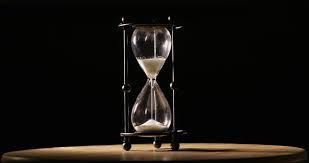
Limit the amount of time for achieving the goal/s. This is not a problem for most of us with limited hours to practice but the key is to set a time limit or to perceive that there is one. This not only boosts productivity, it will, in the long run, save you time.

3) Record Yourself

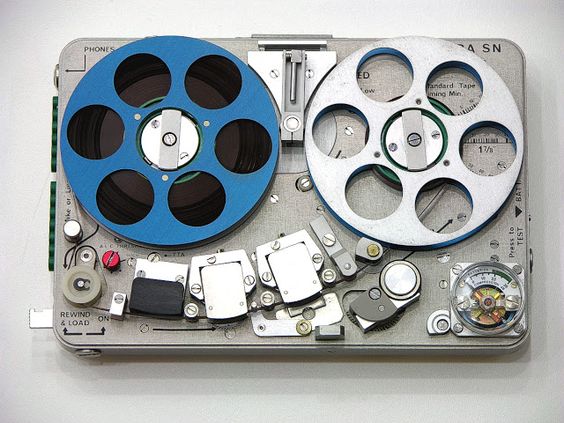
I have to admit that I’ve been told this from every single great musician I know and yet my fingers resist pressing the record button like my life depended on it. However, Dr. Kageyama suggests shifting your post-listening assessment not to how many things went wrong to turn this potentially demoralizing activity into an assessment of how long you positively remained in performance mode. So… turn off the self-assessment mode, the inner critic, the frustrated musician, the nit-picky super charged inner ear, and just play. Whether it is what you worked on in your session or whether it’s a repertoire piece that is part of your current program, flipping the switch from practice mode to performance mode is essential if you indeed want to feel like you are training to perform. Otherwise, it is a skill that remains in its infancy until too close to the performance.

699d5906f2219e0903a0bc6ea6f441da.jpg

4) Keep a Practice Journal

Take consistent notes during your practice sessions. Tedious? Perhaps. But, without doubt, it will lead to better practice hygiene. Goals that are trackable are attainable. Invest in a sweet journal if you aren’t inspired to write in a cheap notebook.

Hope this to helps Six String Journal readers extract more juice from their practice sessions!


Practice vs. Performance

Here is another great article by Noa Kageyama of The Bulletproof Musician where he comments on a study conducted at Yale about the perception of errors from the listener’s point of view. The bottom line is that even the most sophisticated listeners catch far fewer imperfections and wrong notes than we as performers think they do. During practice mode it is important to obsess, analyze, and refine our pieces but performance mode is different and it’s important to practice performance mode where you do not obsess about little imperfections but instead focus on what you want the audience to hear. Knowing about this study may help inexperienced and experienced performers alike feel a little less awful when missing notes on the concert stage.