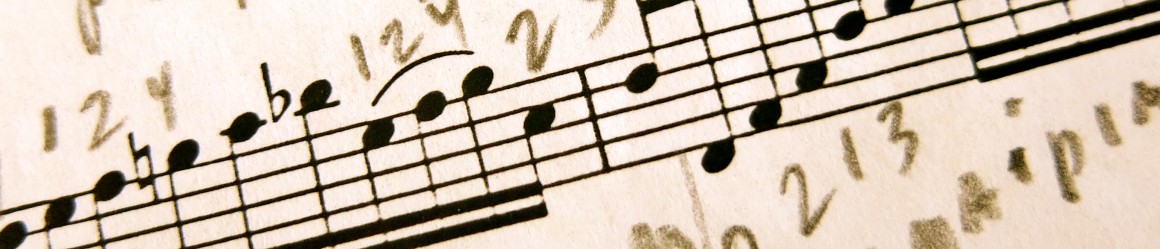
As students begin to get serious about developing their concert repertoire, I like to recommend recordings to study and listen to with the score. So instead of scribbling on their score, I thought I would start to post suggestions on Six String Journal.
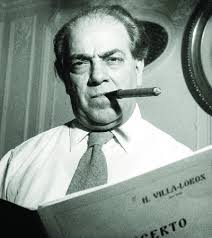
This week, I’ll suggest a few recordings of the works of Heitor Villa-Lobos. Villa-Lobos’s Five Preludes, Twelve Etudes, Brazilian Suite, and his Choro Nº1 are some of the guitar’s most beloved solo repertoire. Villa-Lobos uses the guitar so indulgently and exploits resonance brilliantly.
Julian Bream, Manuel Barrueco, and Alvaro Pierri’s recordings of these works are wonderful. But there are other recordings that really stand out to me. The first and probably my favorite is Fabio Zanon’s recording of the complete works. Zanon’s playing is beautiful, his guitar sounds heavenly, and the engineering (I think it was the legendary John Taylor) is excellent.
Another great recording is Jose Antonio Escobar’s recording of the Five Preludes, 12 Etudes, and a Modihna. I love the sound of his guitar (Paco Santiago Marin XXX) and the recording is sonically perfect.
Here is a link to Alvaro Pierri’s recording of the Choro, Five Preludes and 12 Etudes. This recording made me listen to what can be done interpretively with these great works. Pierri has a special take on these.
And last for now, here is Norbert Kraft in a recording of the Twelve Etudes. Solid from the first note to the last.
Here are a few great videos of the Five Preludes.
I know I’ve left many videos and recordings out. There are so many. Any favorites that I missed?
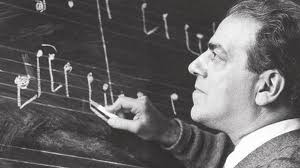
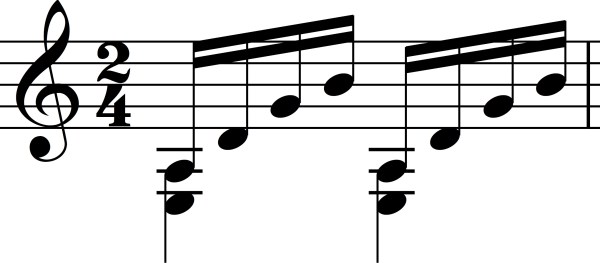
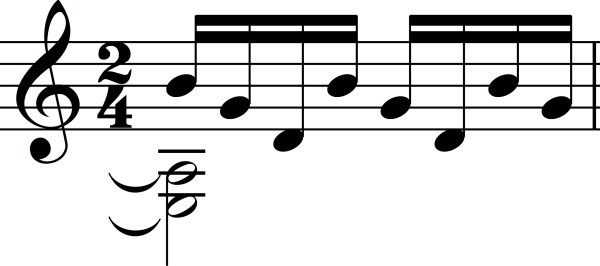
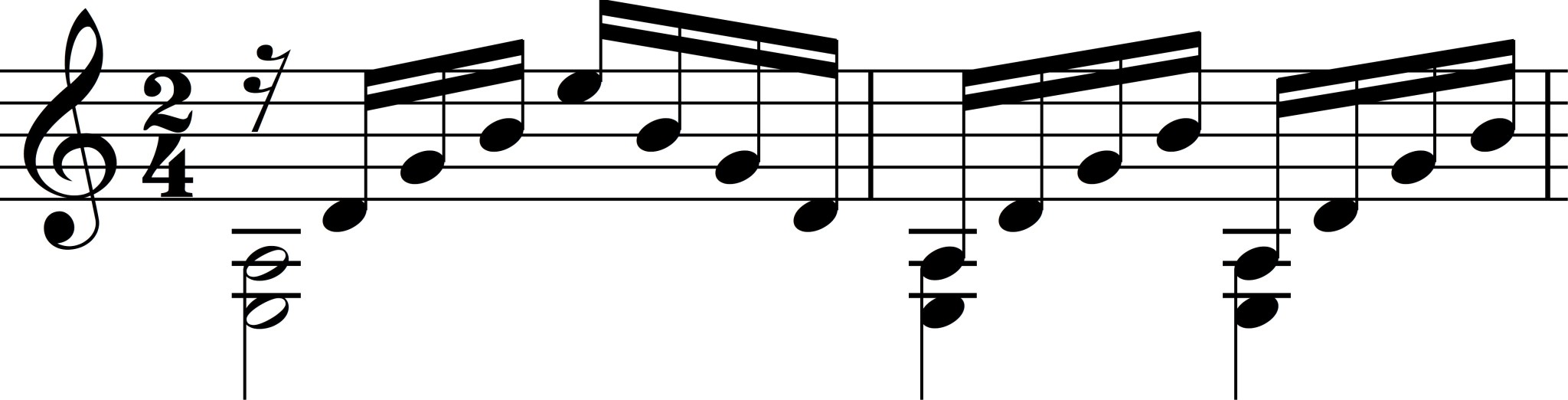
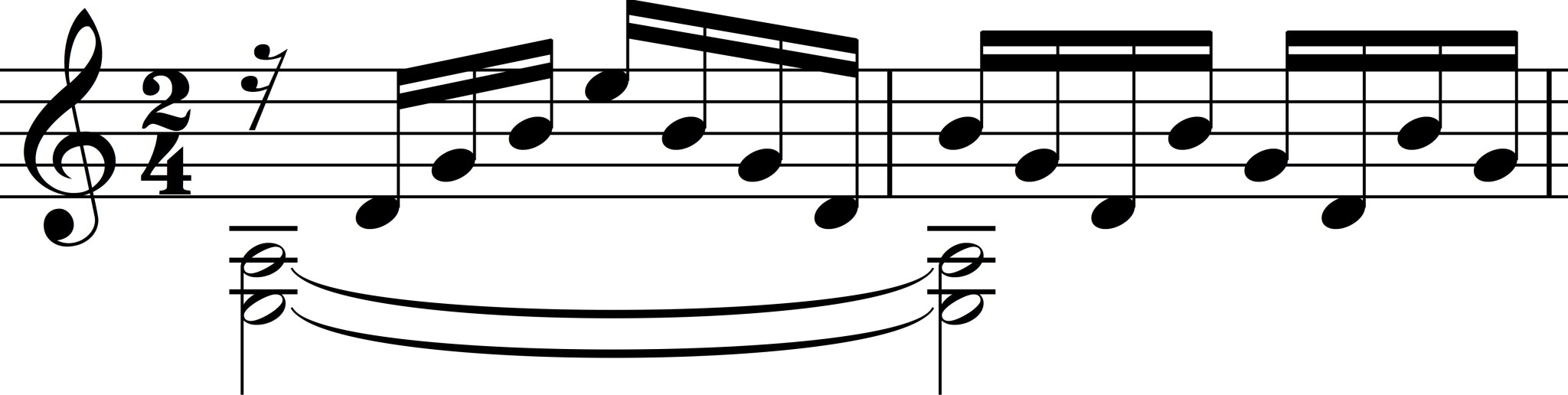
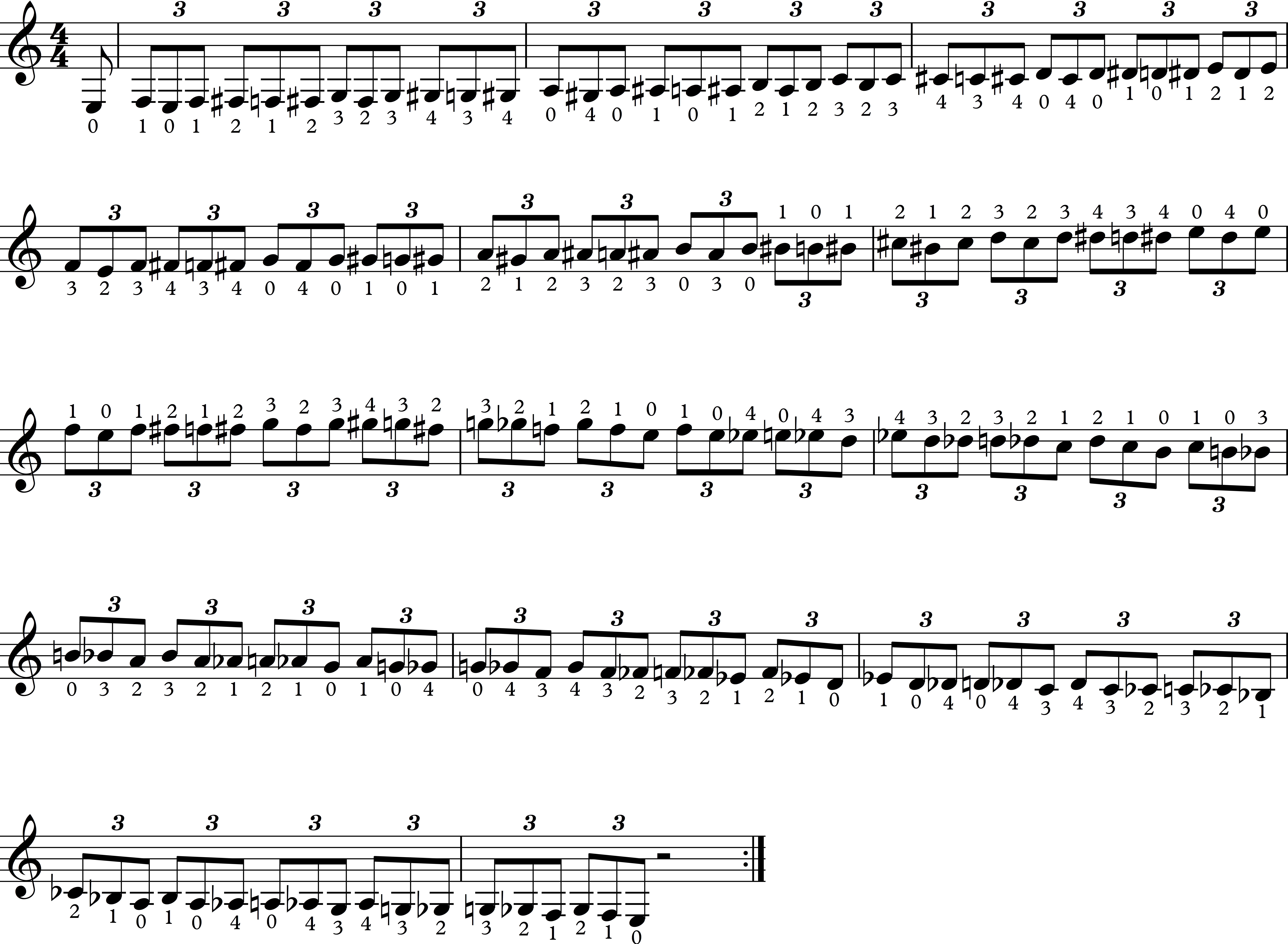
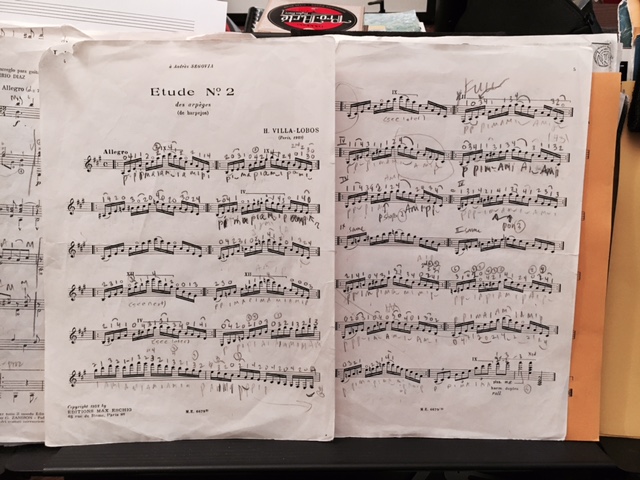
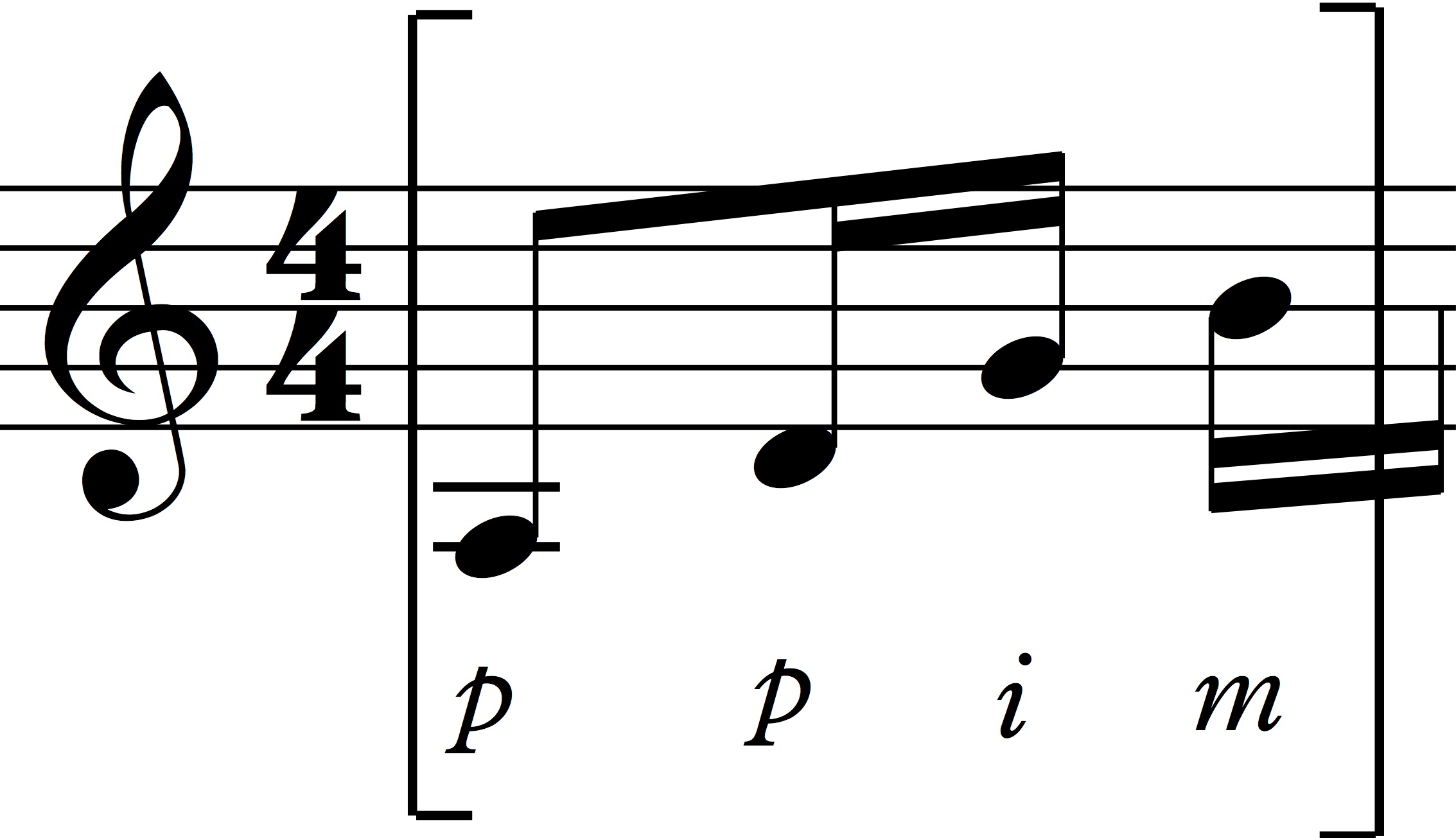
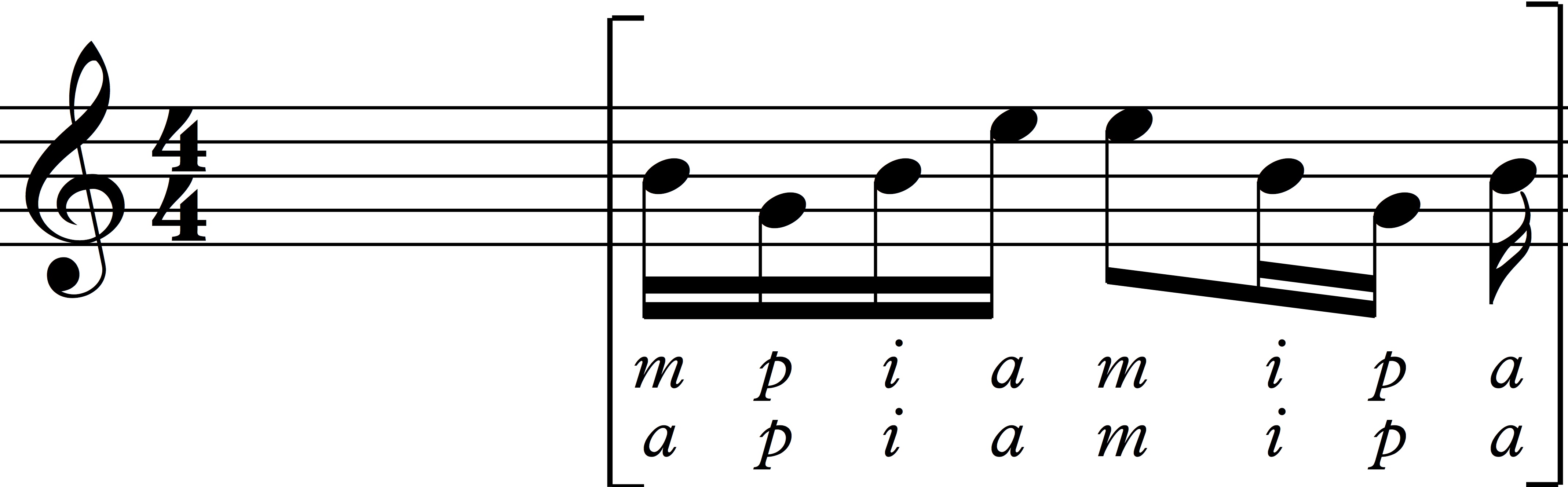
 The image I hold while playing Heitor Villa-Lobos’ Etude Nº1 is one where I am sailing above the canopy of the amazon rainforest as if it were an endless gentle green ocean. Putting this image into practice presents many challenges for the guitarist but simply having an image helps to move the fingers smoothly and with little resistance. Commanding the right-hand to execute the arpeggio to comfortably create the waves of this amazonian ocean, the crescendos and decrescendos, requires some persistence, though. And to truly master the image, it is equally important to investigate how the left hand moves from harmony to harmony, how softly we transition from chord to chord, and how the right hand waxes and wanes over the strings. Ocean waves have an inherent softness to them. To approach this quality in both hands, I’ve brainstormed a bit to list some key tips that I’ve focused on over the years:
 times? This is the amount of times you would play it in the Etude before getting a break with the slurs.
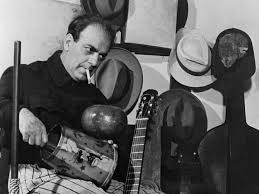 Aside from the lush harmonies and hauntingly evocative melodies of Heitor Villa-Lobos’ music, the physicality of strumming or arpeggiating through all six strings, of sinking a fat thumb rest-stroke into a deep melody, of sliding all four left-hand fingers across the fretboard through diminished 7th chords produces a visceral joy unlike any other I experience when playing the guitar.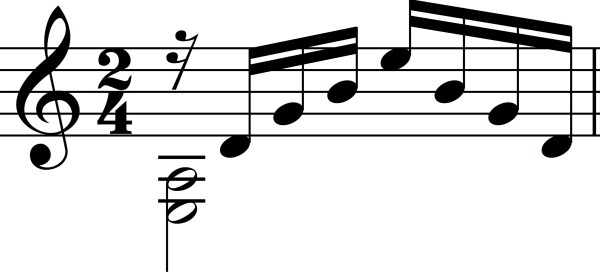






 Six String Journal